|
Pattamapan Lomarat (B.Sc. in Pharmaceutical Sciences), Department of Food Chemistry, Faculty of Pharmacy, Mahidol University, Bangkok, Thailand |
|
| 65,758 View 1 hours ago | |
| Publication date: 2011-09-13 |
Potassium is a mineral that is essential for our body. Potassium plays an important role in normal cellular function and metabolism, such as regulating the activity of nerves and muscles, maintaining proper electrolyte balance and acid-base balance in the body, preventing hyper-acidity, controlling high blood pressure and also reducing the risk of stroke.
Evidence from a variety of sources indicate that in societies with high potassium intake, both mean blood pressure and the prevalence of hypertension tend to be lower than in societies with low potassium intake. In addition, adequate dietary potassium intake is associated with a decreased risk of cardiovascular and other chronic diseases. In 1998, Ascherio et al reported that a higher potassium intake was associated with a 38% lower risk of stroke.
According to ‘Food and Nutrition Board, Institute of Medicine’ , a person who is above 14 years of age must consume at least 4.7g of dietary potassium per day. Nowadays, potassium intake does not meet the respective adequate intake for all age groups. There are a large number of foods that are rich in potassium, including vegetables, fruits, low-fat and fat free dairy products, beans and cereals. This makes it easy to meet dietary potassium recommendations. Let’s get to know the list of the top 10 potassium-rich foods.
Rank | Food item | Serving size | Potassium content |
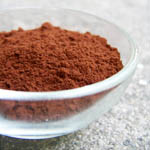
1 | Cocoa powder | 100 g | 1.5 g |
2 | Dried prunes | 100 g | 1.1 g |
3 | Dried raisins | 100 g | 892 mg |
4 | Sunflower seeds | 100 g | 850 mg |
5 | Dates (Medjool) | 100 g | 696 mg |
6 | Salmon | 100 g | 628 mg |
7 | Spinach (Raw) | 100 g | 558 mg |
8 | Mushrooms | 100 g | 484 mg |
9 | Bananas | 100 g | 358 mg |
10 | Oranges | 100 g | 181 mg |
From the above, you can see that one can meet the daily recommended intake of potassium by consuming a wide variety of foods. However, one should also have a balanced and healthy diet by limiting the content of sugar, fat and cholesterol content in foods in order to decrease the risk of many diseases and to stay fit and healthy.
Although the consumption of adequate dietary potassium is beneficial for overall health, for individuals with medical conditions that could impair potassium excretion (e.g. chronic renal failure, diabetes, and congestive heart failure), a potassium intake of less than 4.7g/day would be appropriate to prevent hyperkalemia. The proper potassium content which is suitable for each patient should therefore be advised by doctors.
Note: An educational article about foods and nutrition by Pattamapan Lomarat (B.Sc. in Pharmaceutical Sciences), Department of Food Chemistry, Faculty of Pharmacy, Mahidol University, Bangkok, Thailand. Edited by N. & V. P. of U.K.
Reference
- Couch SC, Krummel DA. Medical Nutrition Therapy for Hypertension. In: Mahan LK, Escott-Stump S. Krause’s Food& Nutrition Therapy. 12th ed. Missouri: Saunders, 2008: 865-883.
- McGill CR, Fulgoni VL, DiRienzo D, et al. Contribution of dairy products to dietary potassium intake in the United States population. Journal of the American College of Nutrition. 27(1); 2008, 44-50.
- Ascherio A, Rimm EB, Hernan MA, et al. Intake of potassium, magnesium, calcium, and fiber and risk of stroke among US men. Circulation. 98; 1998, 1198-1204.
- http://www.buzzle.com/articles/sources-of-potassium-in-foods.html (Accessed Aug 23, 2011)
- http://www.healthaliciousness.com/articles/food-sources-of-potassium.php (Accessed Aug 23, 2011)
- http://www.healthaliciousness.com/articles/high-potassium-fruits.php (Accessed Aug 23, 2011)
Recommended articles

|
Thai Traditional Medicine Theory in Relation to Seasons Part 1 3 minutes ago |

|
Food allergy in children:a brief information for new parents 6 minutes ago |
|
Stevia: Natural sweetness...sweetener of choice 14 minutes ago |
|
Health effects of plant-based diets 1 hours ago |

|
Top 10 Selenium-Rich Foods & Health Benefit 1 hours ago |

|
As a Diabetic, What are my Choices for Alternative Sweeteners? 1 hours ago |
|
Young Coconut Water: The functional drink from nature 1 hours ago |

|
Can probiotics survive under medication treatments? 2 hours ago |
|
Melatonin in foods 2 hours ago |

|
AMD.. what to eat to delay it? 2 hours ago |